
Evinco Security Patrol
Proactive Protection Monitoring
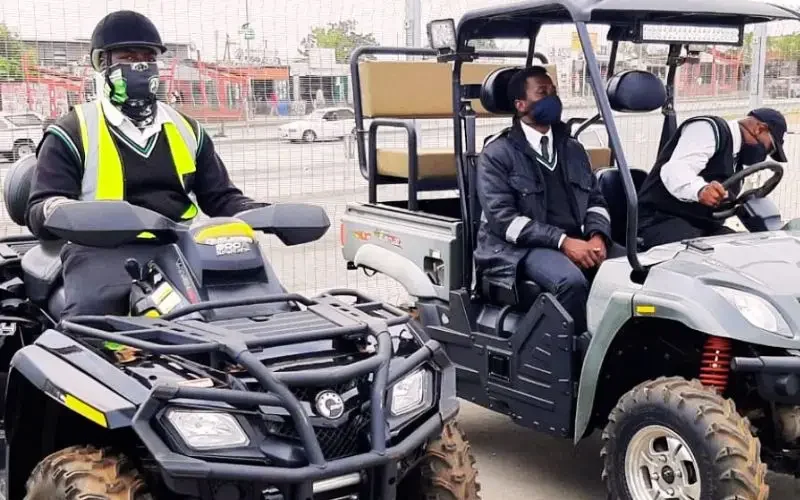
Our Security patrol deliver dynamic, mobile protection to safeguard your property, assets, and community. Highly trained officers conduct regular patrols in marked vehicles or on foot, deterring crime, monitoring for threats, and responding swiftly to incidents. Integrated with advanced GPS tracking, RFID checkpoints, and real-time reporting, our patrols provide verifiable accountability and comprehensive coverage for residential estates, commercial sites, industrial areas, and events across South Africa.
FAQ
1. How It Works
A security patrol service involves trained personnel conducting regular or randomized patrols to monitor and protect a designated area, such as a residential community, commercial property, or event venue. Here’s a concise overview of how it works:
- Assessment and Planning: The service begins with a risk assessment of the property or area to identify vulnerabilities and tailor the patrol strategy. This includes determining patrol routes, schedules, and specific security concerns (e.g., theft, vandalism, or trespassing).
Patrol Types:
– Foot Patrols: Guards walk through the area, checking for suspicious activity, unsecured entries, or safety hazards. Common in smaller or indoor spaces like malls or offices.
– Vehicle Patrols: Guards use vehicles (cars, golf carts, or bikes) to cover larger areas like parking lots, industrial sites, or gated communities.
– Randomised Patrols: Unpredictable schedules deter potential threats by avoiding patterns.
– Fixed-Post Patrols: Guards monitor specific high-risk points, like entrances or valuable assets, while periodically patrolling nearby areas. - Technology Integration: Many services use tools like GPS tracking, mobile apps, or scan-point systems to log patrol routes and ensure accountability. Surveillance cameras, alarms, or drones may complement
- Incident Response: Guards are trained to identify and respond to incidents, such as unauthorized access, disturbances, or emergencies. They may intervene directly, contact law enforcement, or provide first aid, depending on the situation and their training.
- Reporting: After patrols, guards document observations, incidents, or maintenance issues (e.g., broken locks or lights). Reports are shared with clients for transparency and follow-up.
- Deterrence and Presence: The visible presence of uniformed guards or marked vehicles discourages criminal activity. Patrols may also enforce property rules, like parking or noise regulations.
- Customization: Services are tailored to client needs, with options for 24/7 coverage, nighttime-only patrols, or event-specific security. Frequency and intensity depend on the property’s size, risk level, and budget.
2. What Is Included
A security patrol service involves trained personnel conducting regular or randomized patrols to monitor and protect a designated area, such as a residential community, commercial property, or event venue. Here’s a concise overview of how it works:
- Assessment and Planning: The service begins with a risk assessment of the property or area to identify vulnerabilities and tailor the patrol strategy. This includes determining patrol routes, schedules, and specific security concerns (e.g., theft, vandalism, or trespassing).
- Patrol Types:
– Foot Patrols: Guards walk through the area, checking for suspicious activity, unsecured entries, or safety hazards. Common in smaller or indoor spaces like malls or offices.
– Vehicle Patrols: Guards use vehicles (cars, golf carts, or bikes) to cover larger areas like parking lots, industrial sites, or gated communities.
– Randomised Patrols: Unpredictable schedules deter potential threats by avoiding patterns.
– Fixed-Post Patrols: Guards monitor specific high-risk points, like entrances or valuable assets, while periodically patrolling nearby areas. - Technology Integration: Many services use tools like GPS tracking, mobile apps, or scan-point systems to log patrol routes and ensure accountability. Surveillance cameras, alarms, or drones may complement
- Incident Response: Guards are trained to identify and respond to incidents, such as unauthorized access, disturbances, or emergencies. They may intervene directly, contact law enforcement, or provide first aid, depending on the situation and their training.
- Reporting: After patrols, guards document observations, incidents, or maintenance issues (e.g., broken locks or lights). Reports are shared with clients for transparency and follow-up.
Deterrence and Presence: The visible presence of uniformed guards or marked vehicles discourages criminal activity. Patrols may also enforce property rules, like parking or noise regulations. - Customization: Services are tailored to client needs, with options for 24/7 coverage, nighttime-only patrols, or event-specific security. Frequency and intensity depend on the property’s size, risk level, and budget.
3. What Does It Cost
- Monthly Costs for 24/7 Security Patrols: For a 24-hour, 7-days-a-week private security service (typically involving multiple guards to cover shifts), costs range between R31,000 and R63,000 per month, with an average of R38,000 per month. These services include duties like patrolling, detecting intruders, alerting armed response, and investigating disturbances. Costs can be reduced by automating certain tasks, such as using CCTV or alarms.
- Mobile Patrol Services: Mobile patrols, which involve guards checking multiple sites in a vehicle, may cost R20–R30 per visit or R10–R20 per hour, depending on frequency and area coverage. For example, 4 patrols per night could cost ~R80–R120 daily or ~R2,400–R3,600 monthly per site.
- Additional Costs: – Shift Patterns: Night shifts or 24/7 coverage typically incur a premium. A standard 12-hour shift is common, with guards limited to 48 hours per week (4 shifts) by law, requiring multiple guards for continuous coverage. For 24/7 service, 14 shifts per week are needed, increasing costs.
- Location: Urban areas like Johannesburg, Cape Town, or Durban have higher rates (e.g., R25–R50/hour) due to elevated crime rates and demand, while rural areas may be cheaper but include travel/logistics fees.
- Training and Experience: Guards with advanced training (e.g., firearm handling, first aid, or cash-in-transit protocols) command higher wages.
- Company Overheads: Security companies typically charge 30%+ above guard salaries to cover insurance, equipment, vehicles, and administrative costs.
- PSIRA Compliance: All guards must be registered with the Private Security Industry Regulatory Authority (PSIRA), and compliance with training and licensing standards can increase costs.
- Cost-Saving Tips:
– Combine patrols with technology (e.g., CCTV, alarms) to reduce the need for multiple guards.
– Opt for staggered shifts during high-risk times instead of 24/7 coverage.
– Choose a company with a strong local presence to minimize travel costs and ensure faster response times.
– Request detailed quotes to avoid hidden fees (e.g., fuel, uniforms, or admin costs). - Additional Notes:
– The average monthly salary for a security guard in South Africa is ~R5,802, but this is the guard’s wage, not the total cost to the client, which includes company overheads.
For precise costs, request quotes from reputable security companies like Evinco Security, which offer tailored packages including patrols, armed response, and monitoring.
Costs may vary based on local market dynamics and demand for guards in your area.
5. Factors Influencing Cost
- Provider: Different companies offer unique pricing structures based on their expertise and reputation.
- Patrols may not cover every area at all times, especially in large properties.
- Effectiveness depends on guard training and equipment.
- Costs vary based on patrol frequency and technology used.
6. Tips for Choosing a provider
- Check Credentials and Licensing: Ensure the provider is licensed, bonded, and insured. Verify that their guards are trained and certified according to local regulations.
- Evaluate Experience and Reputation: Look for providers with a proven track record in your industry (e.g., residential, commercial, or event security). Check online reviews, testimonials, or ask for references.
- Assess Customization Options: Choose a provider that tailors services to your specific needs, such as patrol frequency, coverage areas, or specialized equipment like cameras or GPS tracking.
- Verify Guard Training: Confirm that guards are well-trained in conflict resolution, emergency response, and observation skills. Ask about ongoing training programs.
- Compare Technology and Tools: Opt for providers using modern tools like real-time reporting apps, GPS-tracked patrols, or surveillance integration for enhanced accountability and efficiency.
Security Patrol Insights

Client Reviews
Excellent Work. I would recommend them for any garage door motor installation.
Michael Robert
Sedgefield
Their VIP protection service was top-notch. Our high-profile guests felt secure and well-cared for

John Dlamini
George
The risk assessment and planning process saved us from potential issues. Highly recommend!.

Francois Du Plessis
Wilderness
Hands down the best security company in the Garden Route. Excellent Service & Installtion

Emily William
Knysna
Request a Quote
Let us know your requirements and our dedicated sales channel will reach out.