Vehicle Boom Gate

Vehicle
Boom Gates:

An overview of the technical installation we offer and how they will benefit the visitor.

Vehicle Access Control

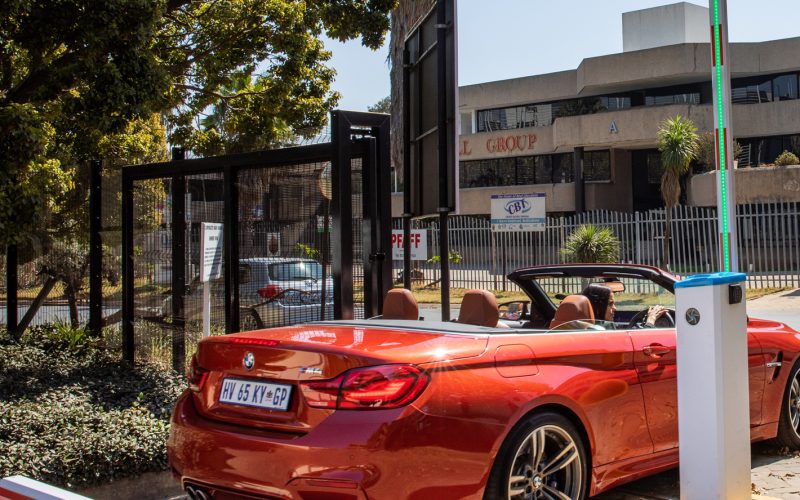
Our vehicle boom barriers (also known as boom gates) provide reliable, automated control for vehicle entry and exit at residential estates, commercial properties, parking lots, and industrial sites in South Africa. 

These systems use a pivoting arm to regulate traffic, integrating with access control technologies like RFID, biometrics, or remote controls for enhanced security.

Professionally installed to comply with South African safety standards (e.g., SANS 10142 for electrical installations), our boom barriers ensure smooth operation, deterrence against unauthorized access, and seamless integration with CCTV, gate motors, and off-site monitoring.

1420_Velocity_Gallery4

FAQ

  1. Traffic Regulation: Efficiently manage vehicle flow in high-traffic areas like parking facilities, toll booths, and secure entrances.  
  2. Enhanced Security: Prevent unauthorized entry with anti-tailgating features, infrared sensors, and integration with spike barriers for comprehensive protection.  
  3. Convenience: Automated operation via remotes, keycards, or apps, with manual overrides for power outages or emergencies.  
  4. Durability: Built with heavy-duty materials like mild steel or stainless steel, weather-resistant for South Africa’s conditions, and featuring battery backups.  
  5. Cost-Effectiveness: Low maintenance and energy-efficient, with options for advertising on arms to generate additional revenue.  
  1. Authentication – Vehicles are identified using RFID tags, license plate recognition, biometrics, or manual controls at checkpoints.
  2. Arm Activation – Upon verification, the motor drives the pivoting arm (typically 3-6m long) to raise or lower, allowing or blocking passage.
  3. Safety Features – Infrared sensors, vehicle loop detectors, and anti-crash mechanisms prevent accidents by detecting obstacles and reversing the arm if needed.
  4. Integration and Alerts – Connects to access control systems for logging entries; triggers alarms for tampering or unauthorized attempts, notifying security teams.
  5. Power Management – Operates on electricity with battery or solar backups for uninterrupted function during load-shedding.
  1. Manual Boom Barriers: Hand-operated with counterweights for low-traffic, supervised areas like office parks or construction sites; available in 3-9m lengths.
  2. Automatic Boom Gates: Motorized for high-volume use in parking lots or malls; includes folding arms for tight spaces and LED lighting for visibility.
  3. Spike-Integrated Barriers: Combined with tire spikes (e.g., Scorpion Spike) for oneor two-way protection against ram-raiding or tailgating.
  4. Advertising Barriers: Feature customizable ad panels on the arm for revenue generation in commercial settings.
  5. Heavy-Duty Barriers: For industrial or high-security sites, supporting longer arms (up to 6m) and 100% duty cycles for 24/7 operation.

1. Site Assessment – Certified technicians evaluate traffic volume, space constraints, and integration needs to select the appropriate barrier compliant with local regulations.
2. Component Setup – Install the barrier housing, pivoting arm, motor, sensors, and wiring; options for underground or surface mounting.
3. System Configuration – Program controls, integrate with access systems (e.g., biometrics or RFID), and test safety features like anti-crush sensors.
4. Testing and Handover – Conduct operational tests and provide training; issue compliance certificates for insurance and regulatory approval.

1. Regular Inspections – Check arms, motors, sensors, and wiring every 3-6 months for wear, alignment, or debris buildup.
2. Lubrication and Cleaning – Lubricate moving parts and clean components to ensure smooth operation and prevent corrosion.
3. Battery and Software Updates – Replace backup batteries every 1-2 years and update control software for enhanced security and performance.
4. Professional Servicing – Schedule annual maintenance to recalibrate systems, address faults, and maintain compliance.

  1. Fixing motor failures, arm misalignment, or sensor malfunctions
  2. Repairing electrical or connectivity problems
    Replacing damaged arms or breakaway mechanisms
  1. Traffic Volume: Opt for automatic models with high duty cycles for busy areas; manual for low-traffic supervised sites.
  2. Arm Length and Type: Select 3-6m arms based on roadway width; folding or straight for space efficiency.
    Integration: Ensure compatibility with existing systems like access control, CCTV, or spike barriers for unified security.
  3. Power Reliability: Choose barriers with battery/solar backups to handle South Africa’s power challenges.
  4. Provider Expertise: Select PSIRA-registered installers with strong reviews, warranties (typically 1-2 years), and local support.

Client Testimonials

“Their VIP protection service was top-notch. Our high-profile guests felt secure and well-cared for.”
John Dlamini
“The risk assessment and planning process saved us from potential issues. Highly recommend!.”
Francois Du Plessis
11

What Set us Apart:

We offer a comprehensive range of security solutions tailored to your needs and budget and more.

Ready to secure your property with a trusted partner?

Contact Evinco Security for a personalized consultation and discover how we can protect your home, business, or community.

Request a Quote

Let us know your requirements and our dedicated sales channel will reach out.